Invest-Ops Australia 2026 – Investment Operations Challenges Forum is a two-day, in-person and virtual forum designed specifically for Australia’s superannuation and investment operations community. Taking place on 8–9 September 2026 in central Sydney, the forum brings together asset owners, service providers, regulators and technology leaders to tackle the most pressing operational, regulatory and transformation challenges facing investment operations today.
With a strong focus on CPS 230 alignment, operational resilience, front-to-back integration, data reliability, outsourcing, AI adoption and future operating models, the program is highly practical and grounded in real-world case studies, panel discussions and peer exchange.

Early Invited Speaker Includes:
Speakers of The 9th annual Invest-Ops Australia 2026 Conference Will Update soon!
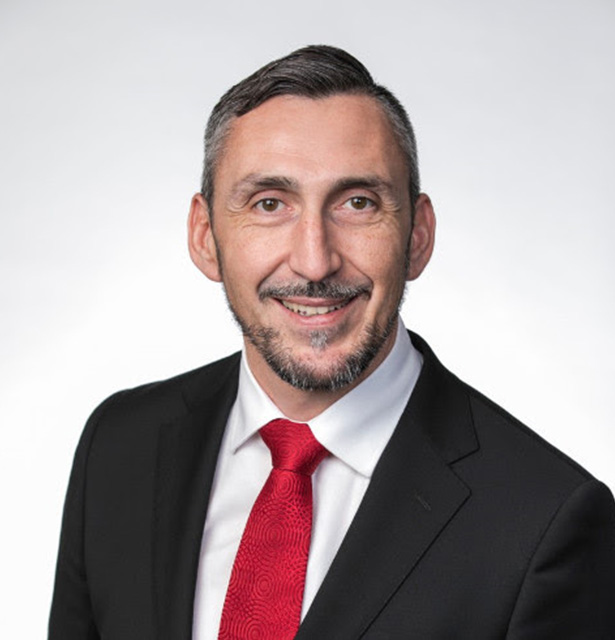
Director - APAC Product Development & Strategy, Citi
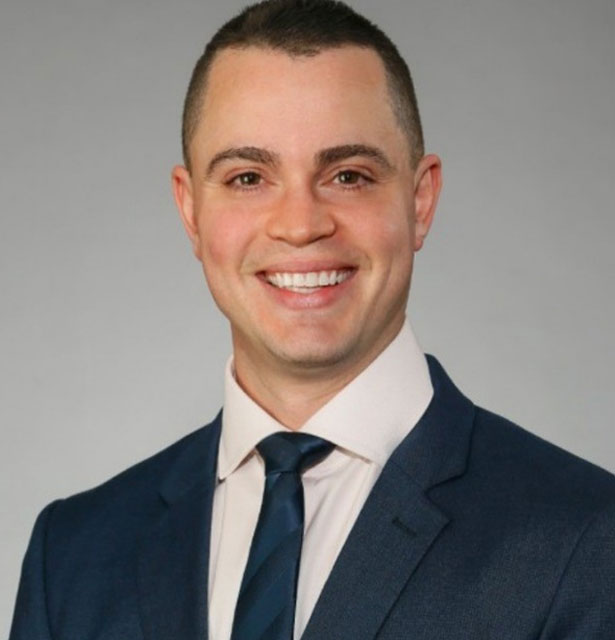
Vice President - Outsourcing Framework Manager (Third Party Governance/ Management, Northern Trust Corporation
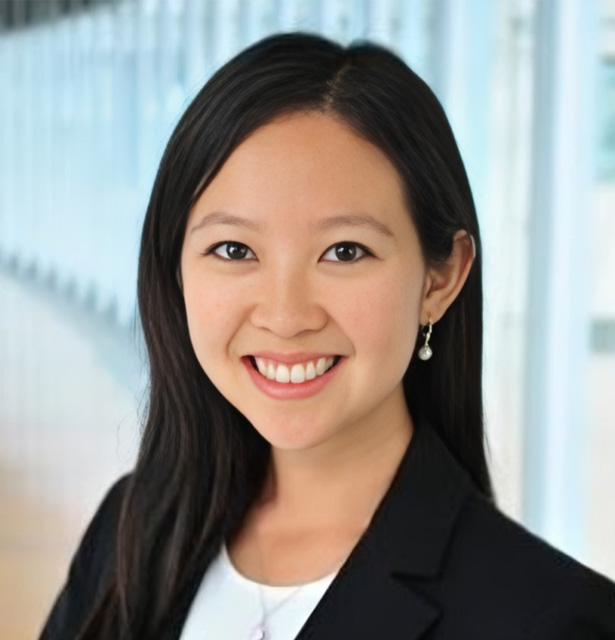
Partner- Operational, Technology and Cyber Risk and Resilience, PwC
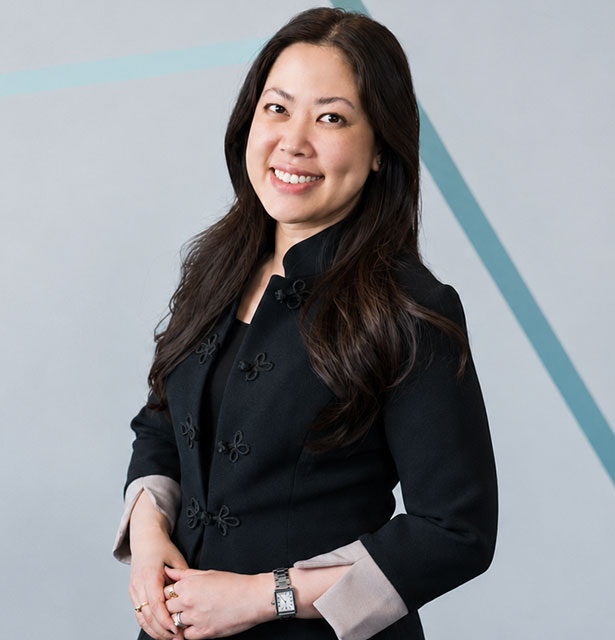
Managing Director, Calastone AUNZ
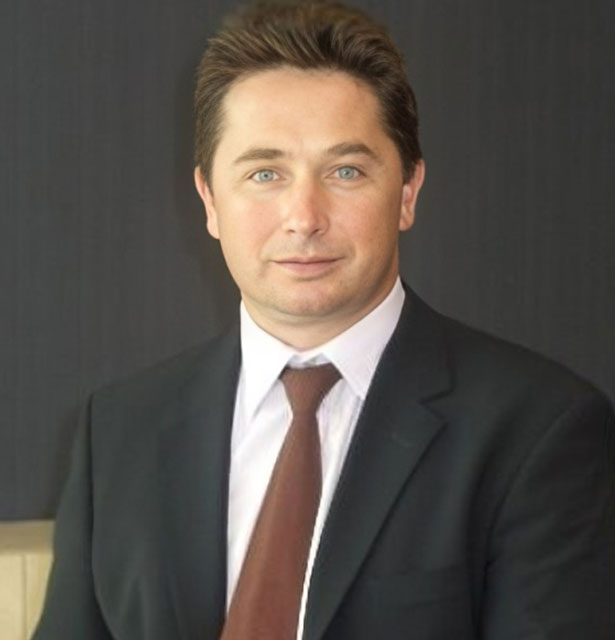
CEO at Fame Capital.
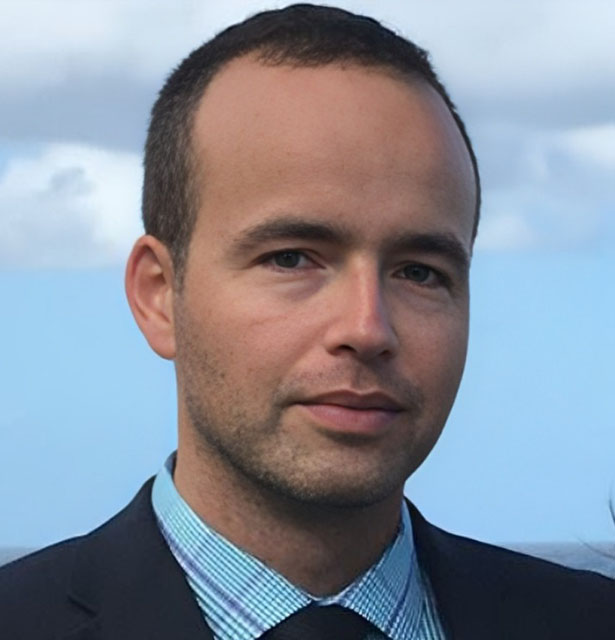
Partner, Holley Nethercote Lawyers
General Manager, Equity Post Trade, AUSTRALIAN SECURITIES EXCHANGE LIMITED

Senior Relationship Manager at The Depository Trust & Clearing Corporation (DTCC)
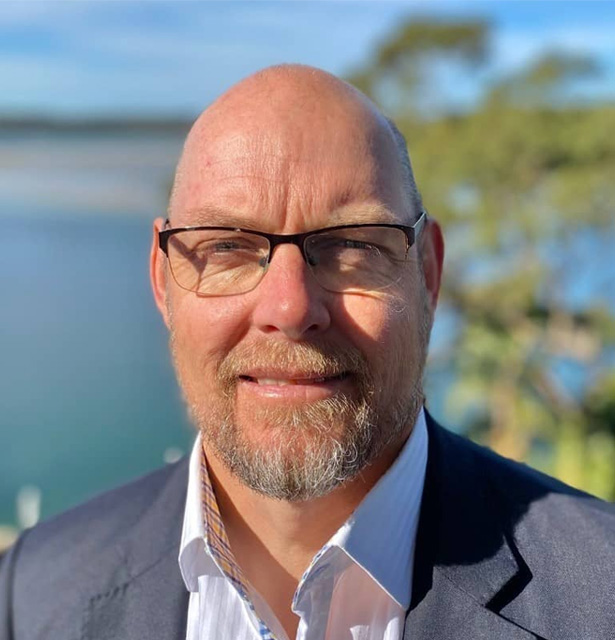
Chief Executive Officer, Australian Custodial Services Association
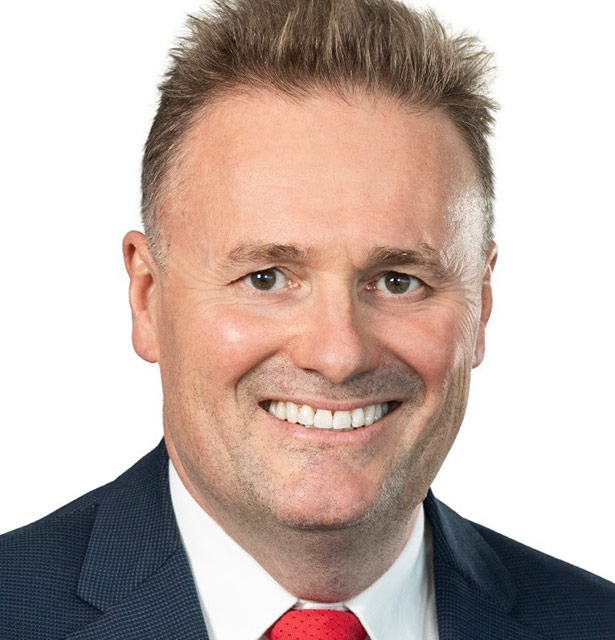
Executive Director - Tax Product, JPMorgan Chase & Co
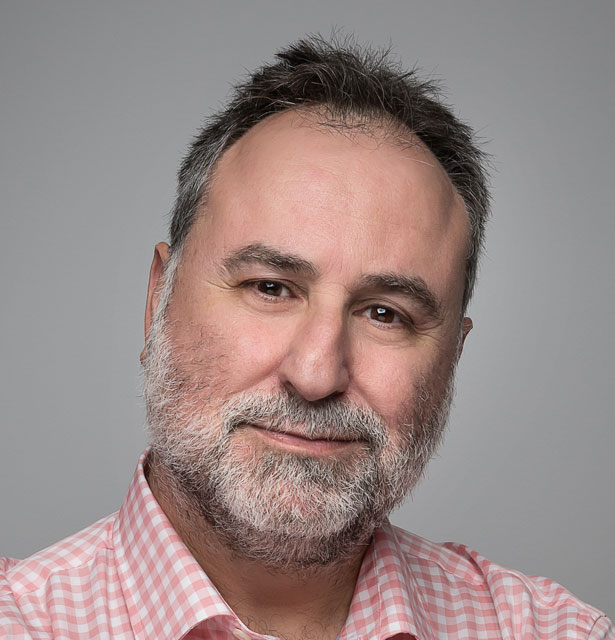
Independent Consultant & Advisor
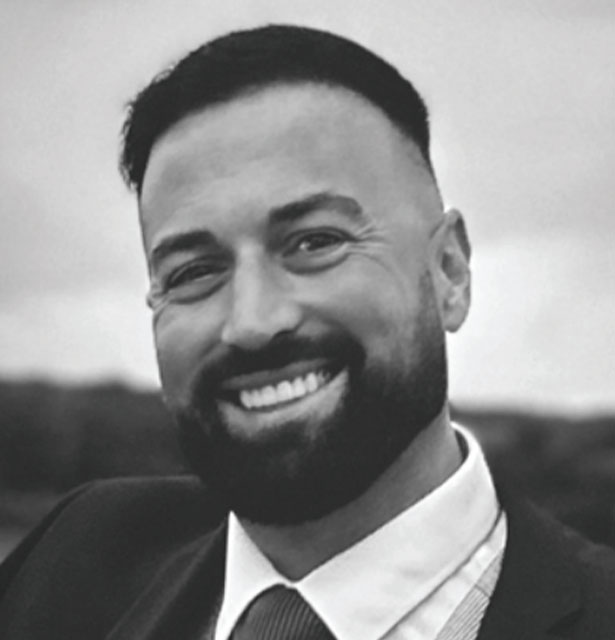
Strategy & Business Development Director, Fund Recs
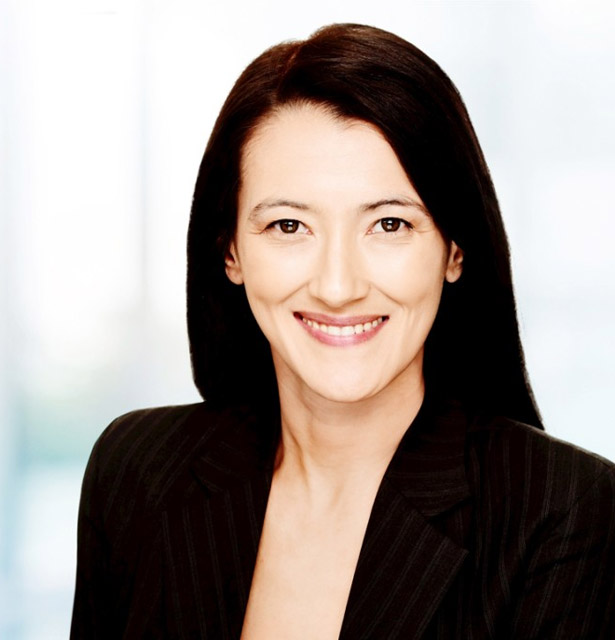
Head of Fund Operations at Generation Life
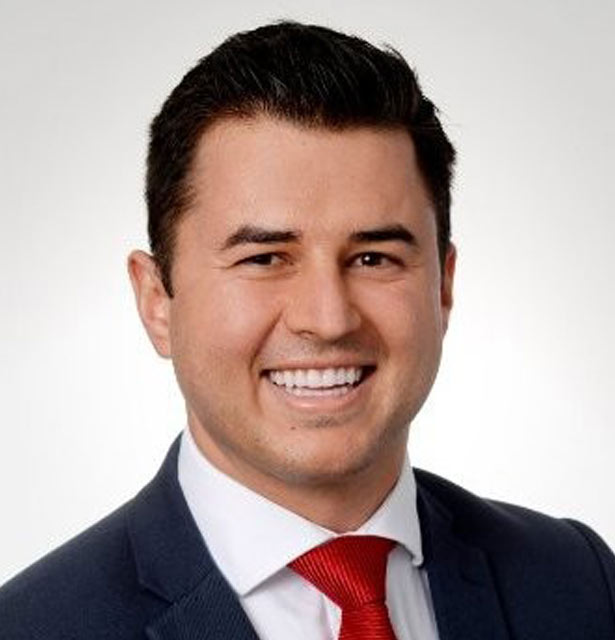
Global Practice Lead, Cutter Associates
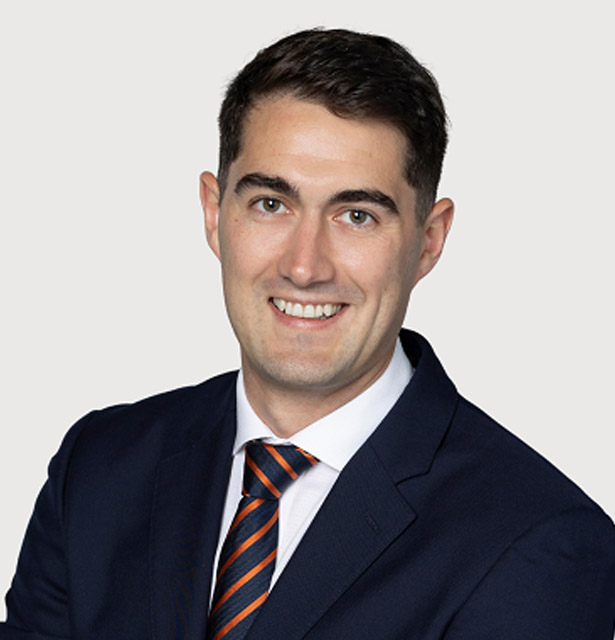
Country Manager, Financial Risk Solutions (FRS) Ltd

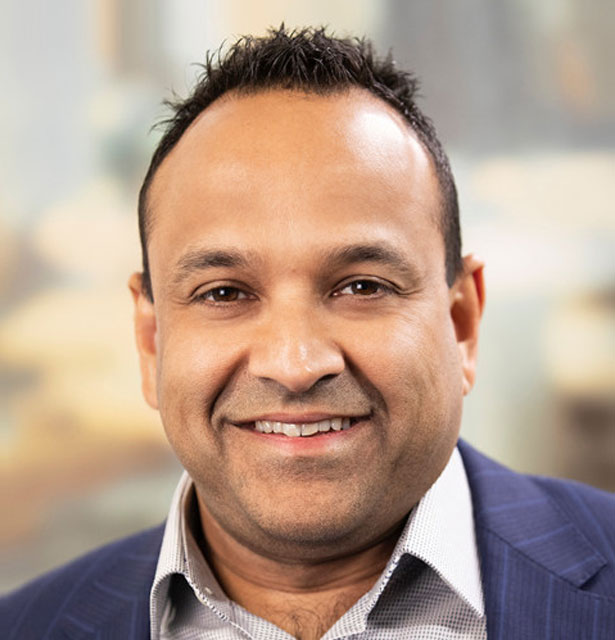
Partner, MD, Investments, Superannuation and Sustainability(ESG) at PwC
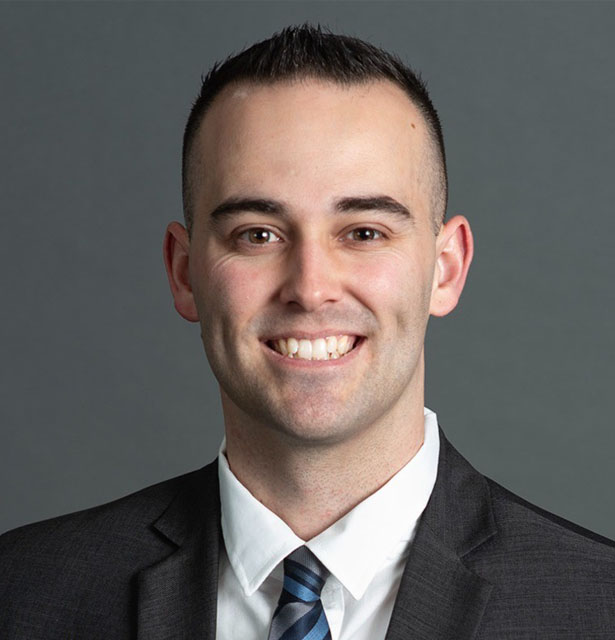
Actuarial Consultant at McGing Advisory & Actuarial
Head of Alpha Client Solutions, APAC, State Street
Global Advisory Board Member, Castle Hall

Head of Product Success at AlphaCert Labs
Director and Co-Founder, CoData Solutions
Director, Investment Operations, IFM Investors
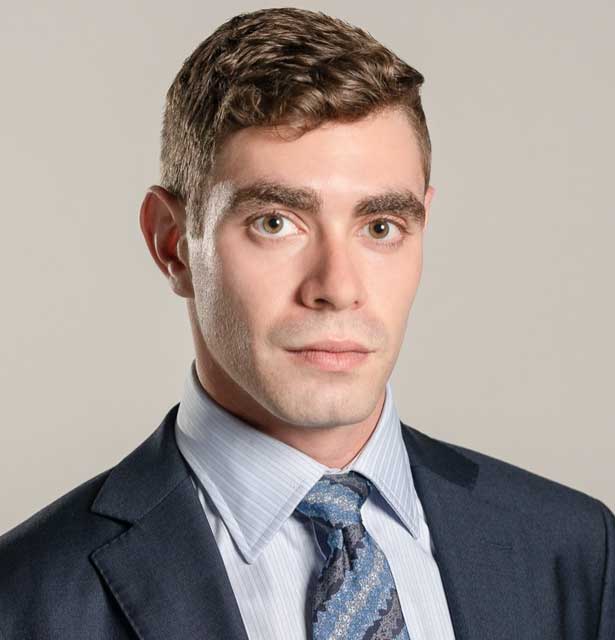
Business Manager at UBS Asset Management Australia
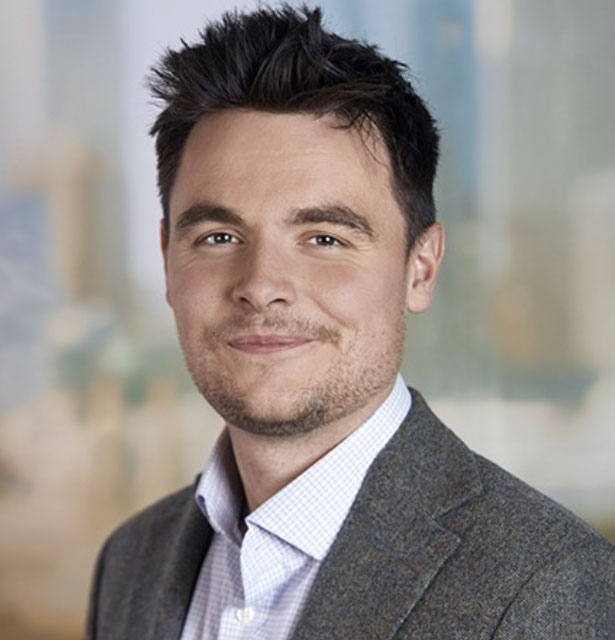
Senior Manager PwC Australia
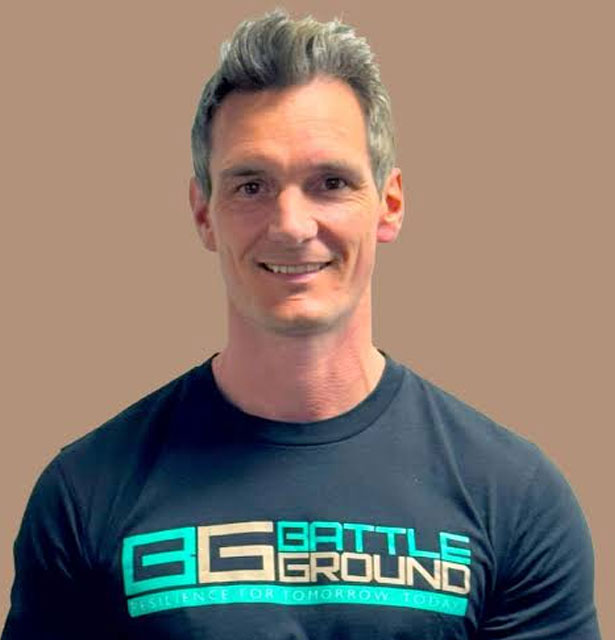
Director, Battleground

SS&C Technologies
State Street
Get Involved
Interested to be a sponsorer for this event?
Our Sponsors
 GOLD SPONSOR
 GOLD SPONSOR
 GOLD SPONSOR
 COFFEE CART SPONSOR
 SUPPORTING ORGANISATION
Event Schedule
Learn schedule, program and topics of the 9th annual Invest-Ops Australia 2026 Conference
STEPHEN HUPPERT
Independent Consultant & Advisor

• Managing operational complexity as funds grow in size and sophistication.
• Modernising administration, reconciliations, and investment data processes.
• Creating resilient operating models through automation and digital operations.
• Balancing efficiency, governance, and member outcomes
SS&C Technologies Speaker TBA
• CPS 230 commenced 1 July 2025 — APRA's focus has shifted from implementation evidence to demonstrated, tested
capability
• Third-party and fourth-party risk management is now a board-level obligation under CPS 230, not a procurement function
• Where is the gap between what funds have documented and what they could evidence under supervisory scrutiny?
MODERATOR:
STEPHEN COUTTS
Director - APAC Product Development & Strategy, Citi
PANELLISTS:
MICHAEL BODDIE
Senior Manager PwC Australia
ANDREW SEXTON
Vice President - Outsourcing Framework Manager (Third Party Governance/ Management,
Northern Trust Corporation
PAUL MINTER
Director, Battleground


A practitioner-led discussion on what drives successful investment operating model transformation, linking design, platform
decisions, and delivery in practice.
As investment organisations expand across asset classes and strategies, operating models are under increasing pressure to
support greater scale, complexity, and integration. In this environment, technology decisions are shaped by the operating model
and how the business is designed to run and grow. This panel brings together practitioners to share perspectives grounded in
real-world transformation. At its core is operating model design, spanning platform strategy, data architecture, and
practitioner-led decision-making, and how these shape both direction and execution. The conversation will explore how
organisations balance integrated platforms and specialist solutions, and how these choices are anchored in a clear understanding of the business problem and growth ambition. It will also highlight the role of data as the organising spine of the operating
model, connecting workflows and supporting scale across the investment lifecycle. Transformation is ultimately driven by
operating model design and leadership, and delivered through close alignment between internal teams, vendors, and platform
partners. Successful outcomes depend on clarity of ambition, strong internal alignment, and a practitioner-led approach that
brings together design and delivery across the full investment operating model lifecycle.
PANEL MEMBERS:
REIN VAN ROOYEN
Global Practice Lead, Cutter Associates
CLAYTON ISSITT
Head of Alpha Client Solutions, APAC, State Street
LUKE MACKOWSKI
Director, Investment Operations, IFM Investors
LISA BATES
Head of Fund Operations,
Generation Life
11:00 Morning Coffee & Networking Break


• Unlisted asset valuation methodologies
• The regulator’s views on valuations
• Liquidity risk, concentration risk, transparency and arbitrage opportunities
• Fees and performance
• Volatility and diversification benefits of unlisted assets
• Private credit opportunities and risks
• Can super fund achieve high returns without unlisted assets
• Unlisted assets and daily pricing
KYLE RINGROSE
Principal Consultant Athena IOC

operational excellence is a direct source of competitive advantage and member value
• Where does operational alpha come from — automation reducing cost, data quality enabling better investment decisions, or
operational speed allowing funds to act on opportunities that slower competitors cannot?
• What separates the funds building genuine operational capability from those managing the function as a necessary
overhead?
• What does the investment operations function look like at the leading edge — and what does it take to get there?
12:50 Lunch Break & Networking
• The growing challenge of maintaining effective oversight across internal operations, outsourced providers and increasingly
complex data ecosystems.
• How AI can enhance governance by monitoring controls, identifying anomalies and providing greater operational visibility.
• Practical use cases for AI in exception management, audit support, process assurance and institutional knowledge retention.
• The shift from periodic reviews and manual controls towards continuous oversight and real-time assurance.
• How investment operations teams can combine AI and human expertise to improve efficiency, resilience and risk
management.
SHANE FLATMAN
Strategy & Business Development Director, Fund Recs

• Impacts of global T+1, 24/5 trading and tokenisation on Australian market
• Managing risk during market change, including CHESS replacement
• Critical operations and tolerance levels in a changing landscape
• Strengthening third-party dependencies and operational resilience
• Enhancing transparency and control over post-trade processes
MODERATOR:
DAVID TRAVERS
Chief Executive Officer, Australian Custodial Services Association
PANEL MEMBERS:
KAREN WEBB
General Manager, Equity Post Trade, Australian Securities Exchange Limited
FATOSH LORD
Senior Relationship Manager, The Depository Trust & Clearing Corporation (DTCC)
ANDREW GIBSON
APAC Custody Product Manager, State Stree
15:00 AFTERNOON TEA & NETWORKING
Speakers:
 Andrew GibsonAPAC Custody Product Manager, State Street
 Karen WebbGeneral Manager, Equity Post Trade, AUSTRALIAN SECURITIES EXCHANGE LIMITED
 Fatosh LordSenior Relationship Manager at The Depository Trust & Clearing Corporation (DTCC)
 David TraversChief Executive Officer, Australian Custodial Services Association
• Latest developments in Global ODD
• Is Australian ODD Leading or lagging?
• Development of AI - opportunities and risks
• Private Asset DD - global hot topics
• Hedge Funds are coming back - Hedge ODD 101
ALEX WISE
Global Advisory Board Member, Castle Hall

• Operational resilience and risk management.
• Talent, skills, and workforce challenges.
• Technology modernisation priorities.
• Regulatory and compliance pressures.
STEPHEN HUPPERT
Independent Consultant & Advisor
Closing Remarks from the chair
Networking Drinks
STEPHEN HUPPERT
Independent Consultant & Advisor
• The Financial Accountability Regime commenced for RSE licensees on 15 March 2025 — investment operations leaders are now named, mapped and personally exposed
• APRA has signalled it will pursue individuals, not just institutions, where operational frameworks fail
• Many accountability statements do not yet reflect the operational reality they are meant to describe
• What does a FAR-ready investment operations function look like in practice?
PHILIP MARQUET
Partner, MinterEllison
• Examining practical tokenisation use cases across private markets, funds, and alternative assets.
• Understanding the operational, custody, and settlement implications of tokenised assets.
• Assessing the opportunities and challenges for investment managers, super funds, and asset owners.
• Navigating regulatory, governance, and risk considerations in a rapidly evolving market.
MODERATOR:
MARSHA LEE
Managing Director, Calastone AUNZ
PANEL MEMBERS:
GORDON LITTLE
CEO at Fame Capital.
MICHAEL MAVROMATIS
Partner at Holley Nethercote
CHRISTOPHER LEROY
Business Manager at UBS Asset Management Australia


• Exploring how Agentic AI can automate front-to-back investment operations across superannuation funds.
• Enhancing operational efficiency, accuracy, and scalability through AI-driven workflows.
• Managing governance, risk, and compliance considerations when deploying autonomous AI agents.
• Building the future operating model: integrating Agentic AI with investment, administration, and member service functions.
NARESH SUBRAMANIAM
MD, Investments, Superannuation and Sustainability(ESG) at PwC
10:50 Morning Coffee & Networking Break

• Automating investment operations workflows to improve efficiency, accuracy, and scalability.
• Moving from manual processing to exception-based management and real-time oversight.
• Enhancing data quality, governance, and operational resilience across the investment lifecycle.
• Preparing operating models for AI, growing fund complexity, and evolving regulatory requirements.
CIAN O'DRISCOLL
Country Manager at Financial Risk Solutions (FRS) Ltd

• Scenario modelling has historically required specialist expertise, significant time and manual integration into reporting — AI agents can now deliver structured, multi-factor forecasts from a text prompt
• The challenge is not just speed — it is delivering outputs with the accuracy, transparency and governance controls that allow investment teams to act on them with confidence
• Live demonstration: modelling a geopolitical scenario — such as Middle East instability — and translating the output into
portfolio intelligence, including charts, reports and flagged areas for action
• AI in scenario modelling is designed to augment investment team judgement, not replace it — governance controls and
analyst validation are built into the workflow
TERI EDWARDS
Head of Product Success at AlphaCert Labs
12:20 Lunch Break & Networking

• How AI is transforming investment governance, oversight, and decision-making across platforms, Responsible Entities (REs),
and superannuation funds.
• Practical use cases for AI in investment operations, including risk monitoring, compliance, portfolio oversight, and reporting.
• Governance, regulatory, and ethical considerations when implementing AI, including transparency, accountability, and model
risk management.
• Best practices for adopting AI responsibly while enhancing operational efficiency, improving investment outcomes, and
meeting stakeholder expectations.
DANIEL BARTLETT
Actuarial Consultant at McGing Advisory & Actuarial

• Embedding a strong control culture across investment operations
• Strengthening accountability under evolving regulatory expectations
• Identifying and managing operational risk before incidents occur
• Leveraging technology and data to improve oversight and resilience
ALAN ARTYUN
Director and Co-Founder, CoData Solutions
• Key tax measures announced in the 2026 Federal Budget affecting superannuation.
• How proposed CGT changes impact investment strategies and fund performance.
• Implications for SMSFs, APRA-regulated funds, and retirement planning.
• Practical strategies for trustees, advisers and members to navigate the changing tax landscape.
MODERATOR:
DUNCAN LYON
Executive Director - Tax Product, JPMorgan Chase & Co.
Panel Members TBA

15:40 CLOSING REMARKS FROM THE CHAIR
AFTERNOON TEA & NETWORKING




October 22, 2026